
The Best Bulbs for Large Gardens: naturalistic planting ideas
A large garden gives you the space to be generous. It allows you to use bulbs not as individual accents, but as sweeping gestures across the landscape creating rhythm, movement and seasonal drama. Discover naturalising Daffodils, Crocus and species Tulips in early Spring and Camassia's and Allium's into early summer. Great planting ideas to create a naturalistic display.
Where should I begin?
Resist the temptation to plant lots of different varieties. A smaller palette, planted repeatedly and in generous numbers will create a much stringer design.
1 - Start with Daffodils
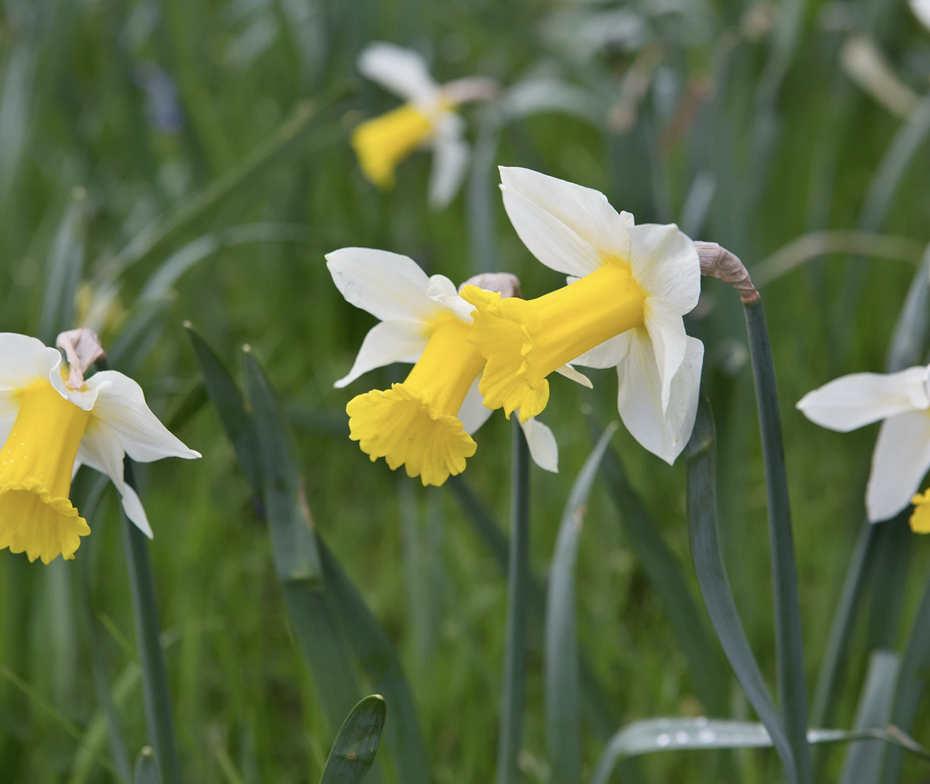
Narcissus 'February Gold' brings early yellow to the garden with swept back petals and slender trumpet growing unto 30cm in height. Narcissus 'Thalia'
Narcissus 'Thalia' adds a classic white into your garden, typically with 2-4 flowers heads per stalk flowering a little later in March and April.
Narcissus 'Actaea' is perfect for creating a meadow look and feel with white petals and a small orange trumpet. The flowers are heavily scented and bloom to 45cm in height.
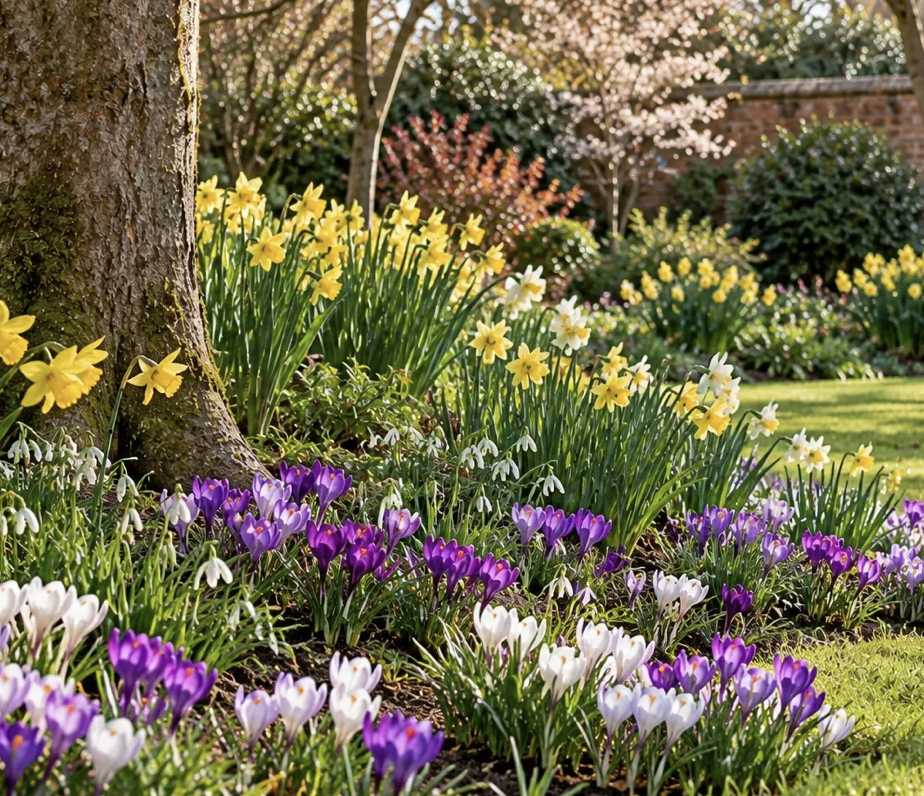
Plant alongside Crocus tommasinianus to create an early spring purple and yellow haze. The soft lilac flowers will gradually create naturalised colonies across your borders and lawn.
2 - Use species and statement Tulips
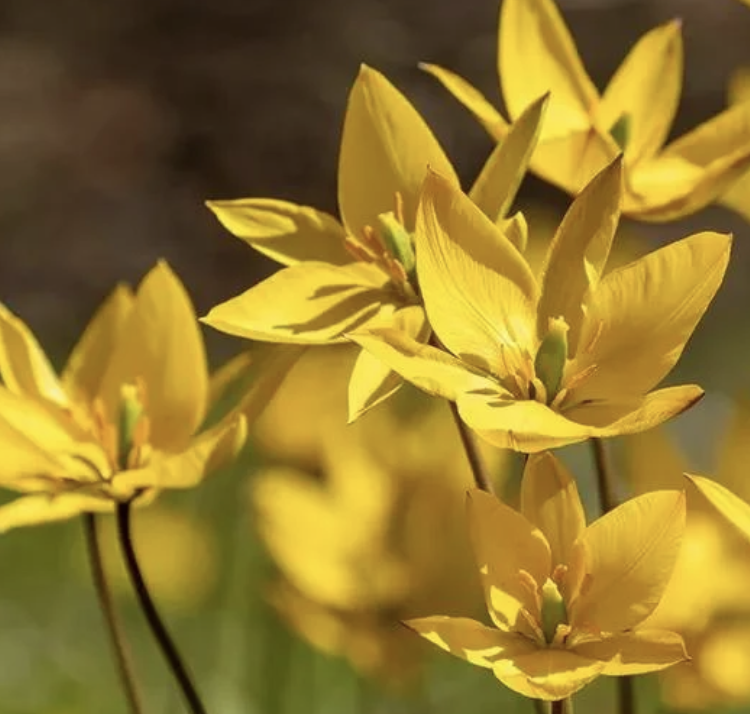
Tulipa sylvestris, Tulipa tarda and Tulipa clusiana bring a more naturalistic character to your garden. How best to plant species Tulips has been covered in a recent blog.
If you want to add more drama and a greater statement colour to your borders try some of the larger specialist tulips which are available in multiple colours, shapes and forms from several growers and nurseries.
3 - Think about succession into the summer
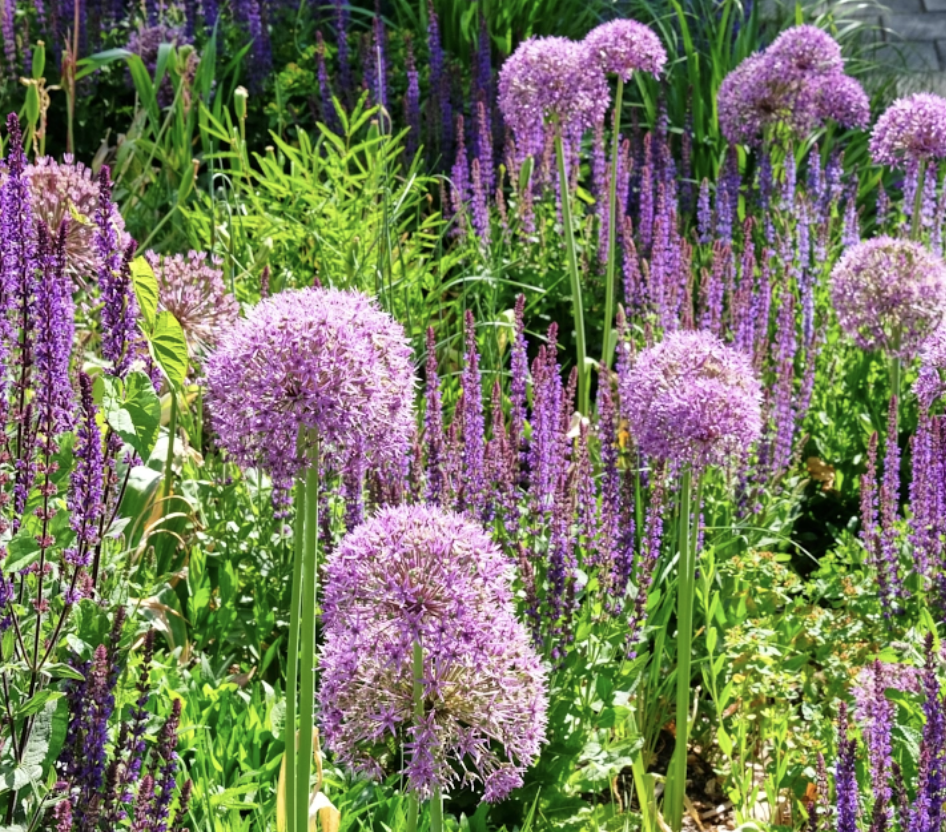
Camassia and Alliums are perfect for larger gardens and can extend the bulb flowering season well into June. Think about shapes, forms and colours and how you can combine them to create drama across the garden. Allium 'Ambassador' provides height and vertical punctuation and is perfect for dotting through a border whereas Allium 'Purple Sensation offers a smaller, deeper purple flower and can be planted in more dense groups.
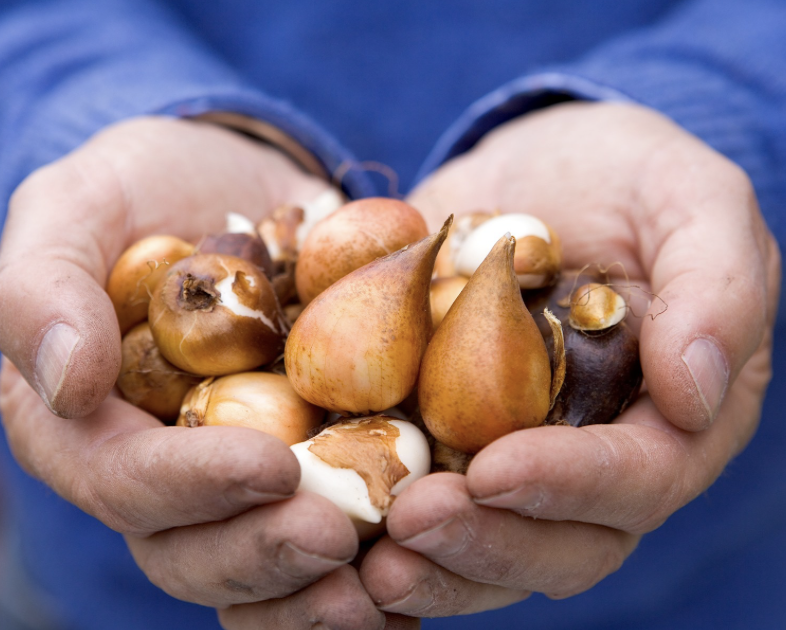
4 - Naturalistic bulb planting
To create a naturalistic look and feel follow these simple principles.
Plant in generous drifts - avoid small, isolated groups. Plant in large irregular colonies.
Repeat the same bulbs - choose 4-6 key bulbs and repeat across the garden creating continuity and connection.
Avoid perfect shapes - create irregular edges. Scattering a handful of bulbs and planting where they lie is a useful trick to create a naturalistic impact.
Plant into perennials and grasses - bulbs look more natural when they grow through existing vegetation.
Follow the landscape - let bulbs drift across the natural contours, across pathways etc to make it feel like it naturally evolved.
Think in succession - create a sequence from snowdrops to crocus to narcissus to tulips, then camassia and alliums.
Think beyond flowering - choose varieties whose foliage can easily be absorbed into the surrounding perennials as they grow and leave attractive seed heads.
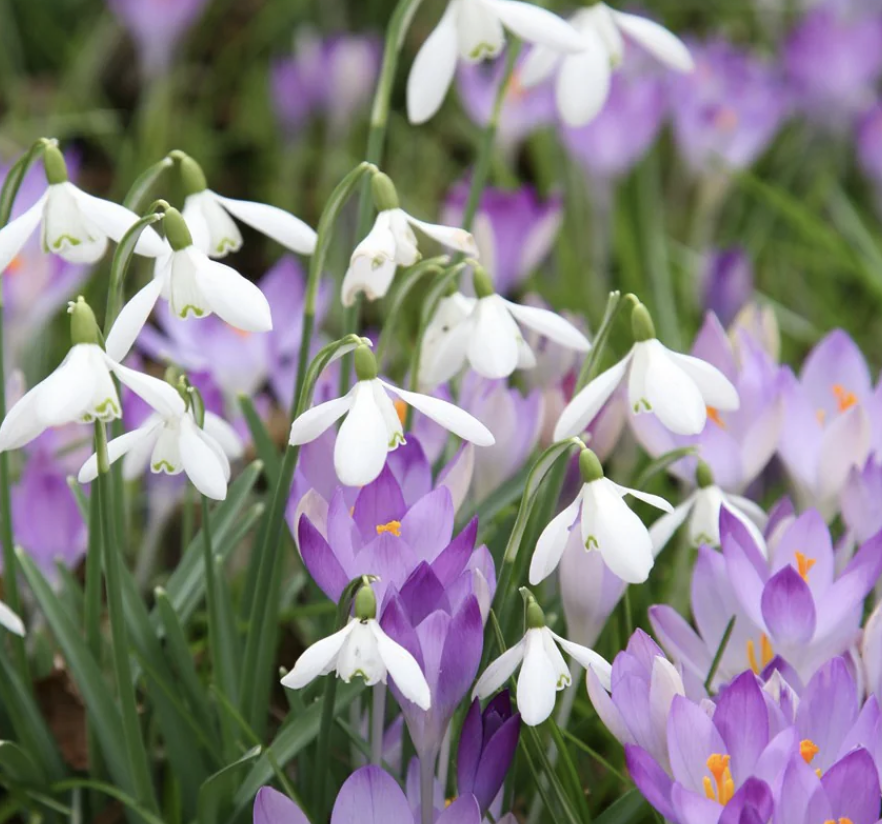
Rather than having everything flower at once, combine bulbs that flower from late winter through early spring and into summer. This creates a garden that gradually unfolds rather than producing one brief burst of colour.
Conclusion: plant generously and repeatedly
In a large garden the magic comes from seeing hundreds or even thousands or relatively small flowers becoming a landscape experience. Sweeping drifts can become defining features of your garden. Lets repetition, scale and succession do the design work.