
Species Tulips: the best naturalising Tulips for your garden
Tulips have become synonymous with extravagant colour and perfectly formed flowers, but there is another side to the genus that deserves far more attention. Species tulips are smaller, more naturalistic and often beautifully understated — making them particularly useful in contemporary and naturalistic gardens.
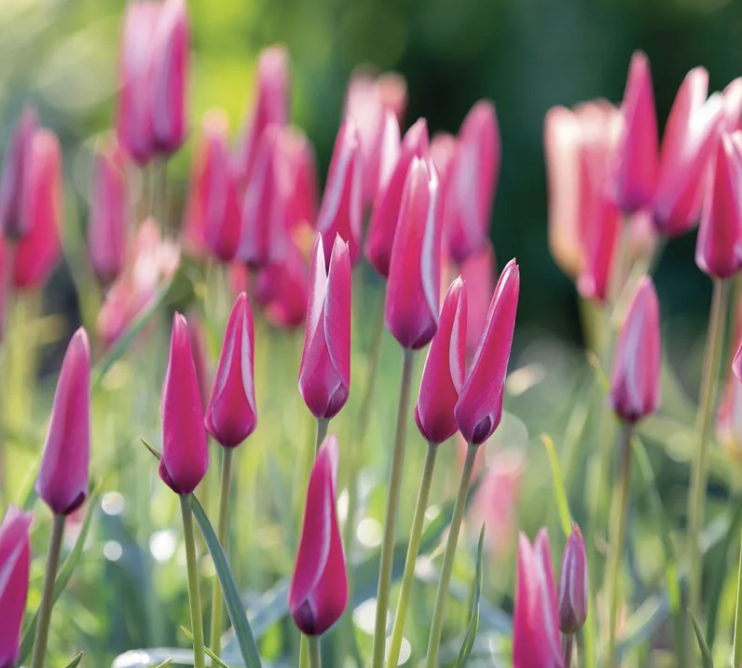
What is a species Tulip?
Species Tulips, also known as botanical or wild tulips, are the unbred ancestors of the modern hybrid garden tulips. They are much smaller and shorter than commercial Tulips, usually growing to between 10cm and 25cm tall. They are perennial in nature which means they are long lived and return reliably, year after year. They spread and multiply naturally creating drifts and clones around the garden and typically bloom earlier in March and April.
4 great species Tulips are listed below and there are many individual varieties of varying colours and sizes for each one
Tulipa sylvestris
Tulipa tarda
Tulipa clusiana
Tulipa humilis
1 - Tulipa sylvestris
Starry, canary yellow petals with light green outside
Strong sweet, honey scent
Spreads by underground runners to form natural drifts
Height 30-40cm
A wonderfully elegant woodland tulip with slender stems, nodding yellow flowers and a lovely fragrance. Give it room to naturalise
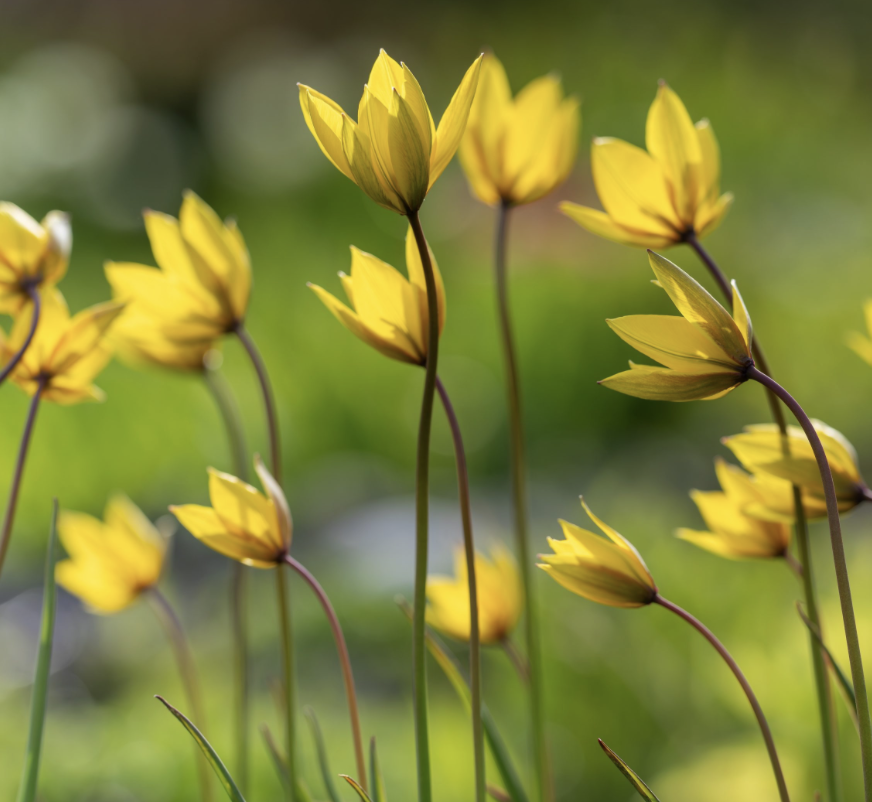
Tulipa sylvestris
2 - Tulipa tarda
One of my favourites for a naturalistic planting scheme. Its star-shaped white flowers have bright yellow centres and open beautifully in spring sunshine.
Bright, star shaped white flowers with yellow centres
Flowers open and close at night
Thrive in full sun on well drained soil. Perfect for gravel gardens
Height 10-15cm
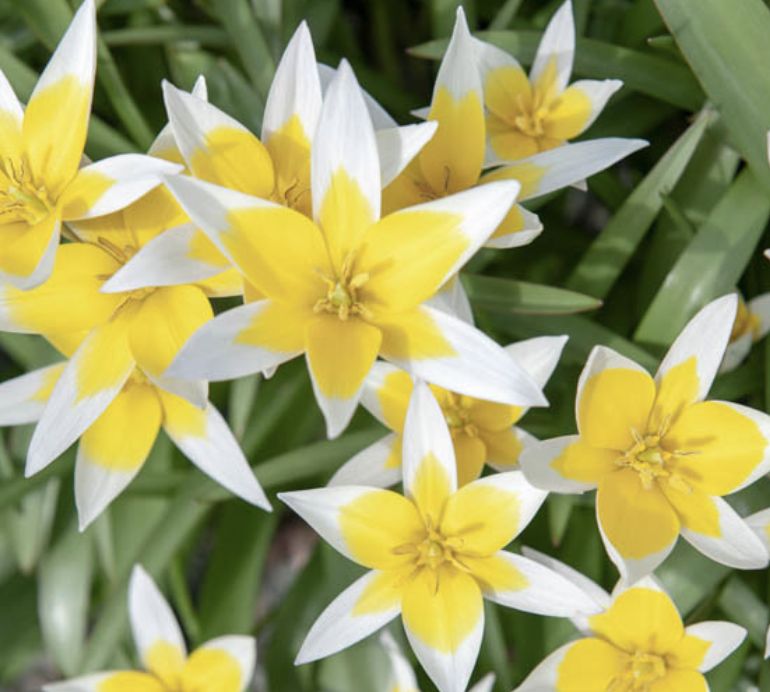
Tulipa tarda
3 - Tulipa clusiana
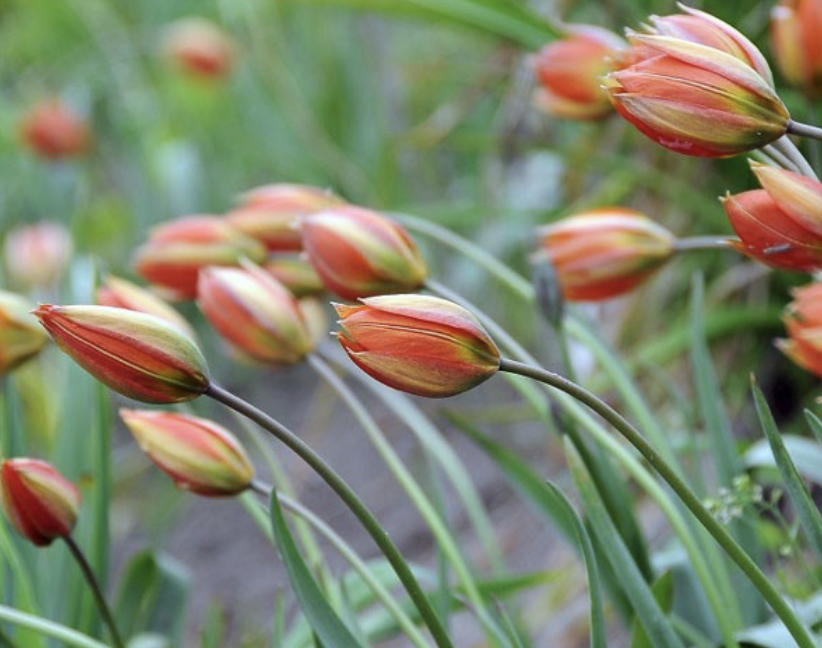
Known as the lady tulip, it has slender, elegant flowers with beautifully marked outer petals. It brings a completely different character to the border.
Slender pointed buds open into bowl shaped flowers, flattening to striking star shapes in the sun
Outer petals are typically cherry red with pale white interiors
Thrive in well drained neutral to alkaline soil (chalk or loamy soils are perfect)
Height 15-30cm
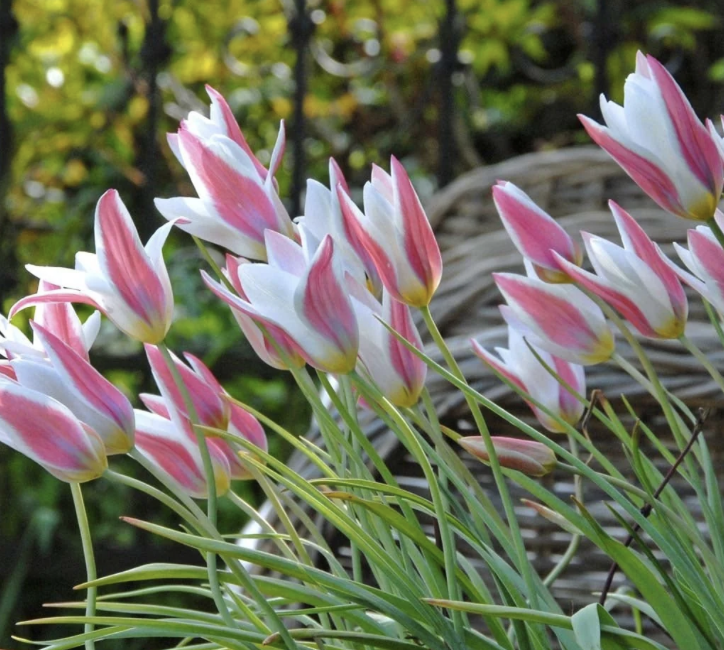
Tulipa clusiana
4 - Tulipa humilis
For stronger colour, choose Tulipa humilis: Compact but wonderfully floriferous, with flowers ranging from pink and magenta through to violet and white depending on the form or cultivar.
Star shaped when open on sunny days. Full sun is essential
Highly variable colours; tepals range from pale pink, magenta, and rich purplish-pink to deep violet or crisp white, frequently featuring contrasting basal eye markings in yellow, bronze-green, or deep blue-black.
Thrive in well drained soil (chalk, sandy or loamy soils are perfect)
Height 10-25cm
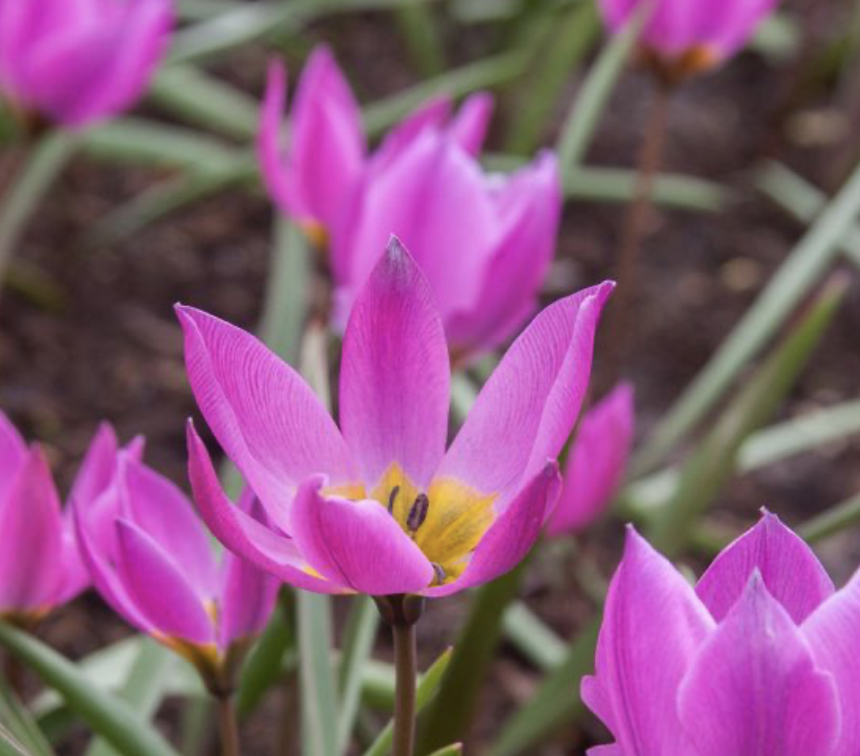
Tulipa humilis
5 - Get the conditions right
Give them the right conditions: Most species tulips appreciate full sun and excellent drainage. They are particularly successful in gravel gardens, raised beds, rock gardens and sunny borders.
Plant for longevity: Unlike many modern bedding tulips, species tulips can return and multiply when they are happy. Allow the foliage to die back naturally after flowering.
Rather than planting them in regimented rows, repeat them through the garden. Allow them to appear between grasses, perennials and stones, creating little moments of spring colour.
Conclusion: beautifully understated
Arguably, less flamboyant than their horticultural cousins, perhaps — but reliable and beautiful in their own right. Will repeat flower, year after year in the right conditions without overpowering the garden. A must for any garden creating a more naturalistic look and feel.