
Best Bulbs for Small Gardens: creating a long Spring display
A small garden doesn't need fewer bulbs. It needs better choices and a little more choreography. When space is limited, every plant has a role to play. The trick is to choose bulbs that are delicate enough to suit the scale of the garden, then repeat them so that the whole space feels connected. Here are my suggestions for the best bulbs for small gardens.
Where should I begin?
The secret is choosing a variety of species that give you a long flowering season, are of the right scale for your small space and give a warming rhythm and repetition across your garden.
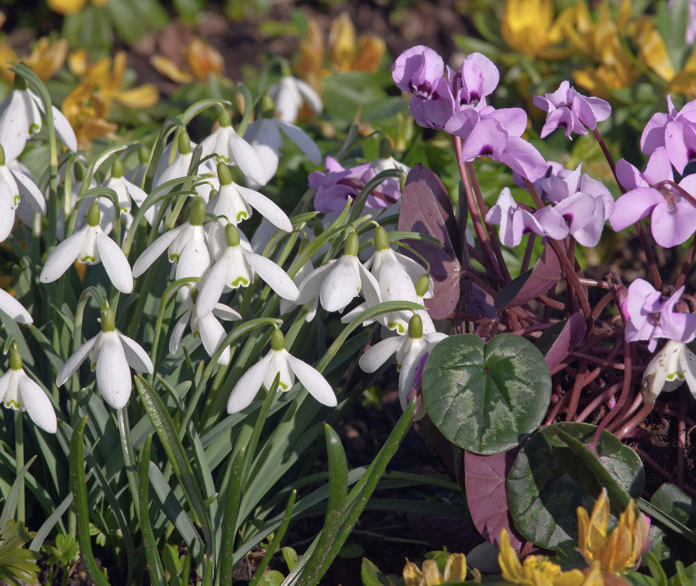
Snowdrops naturalised around the base of tree
1 - Begin with Snowdrops
Galanthus deliver the first signs of Spring. Plant them in loose groups under trees and shrubs or allow them to weave along the front of borders where you can see them.
They are a great source of pollen and nectar for bees at a time of year when other food sources are limited.
In April you can dig up the clumps and divide them as a quick and cheap way to expand them across your garden.
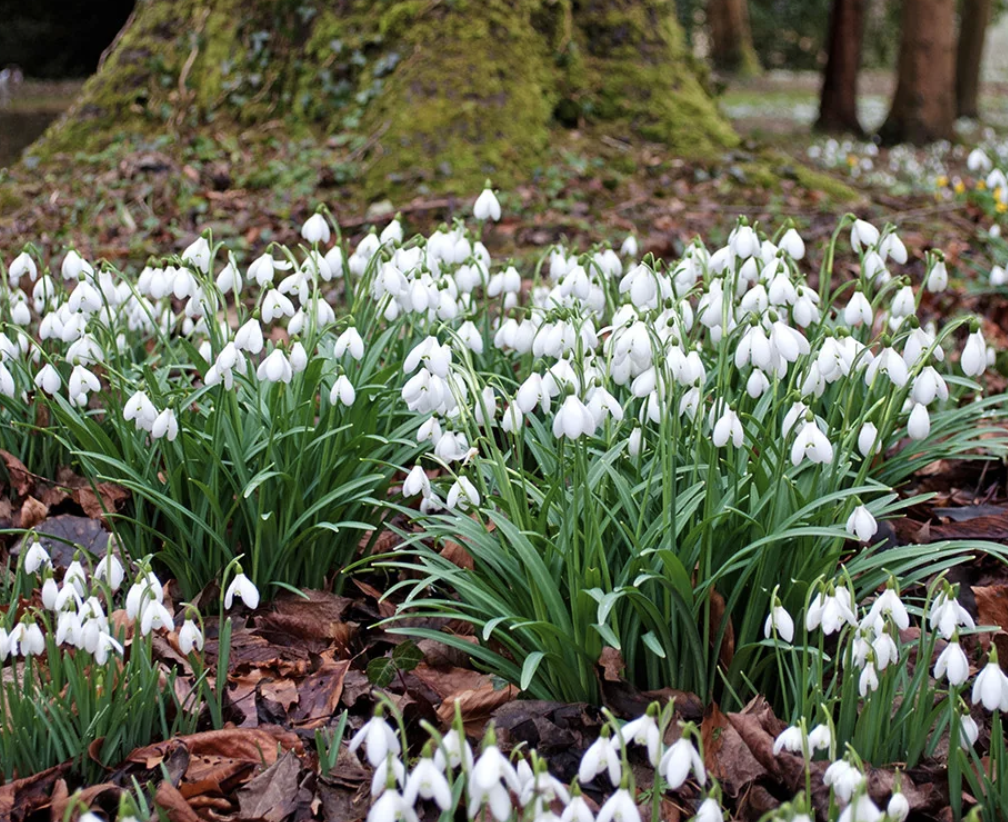
Snowdrops naturalising around the base of a tree
2 - Follow with Crocus
As we move into February, Crocus deliver the first real burst of colour in the garden. Once again, these delicate bulbs provide pollen and nectar for pollinating insects early in the year. Plant them in clumps or drifts in gravel, under shrubs and trees or across your lawn. 5 stunning species include:
Crocus tommasinianus - silvery lilac to velvet
Crocus chrysanthus - bright yellow flowers, fragrant
Crocus flavus - rich golden yellow, larger flowers
Crocus sieberi - white, lilac or purple and often beautifully marked
Crocus vernus - large goblet purple, white & striped flowers
Each species has multiple varieties to suit every taste.
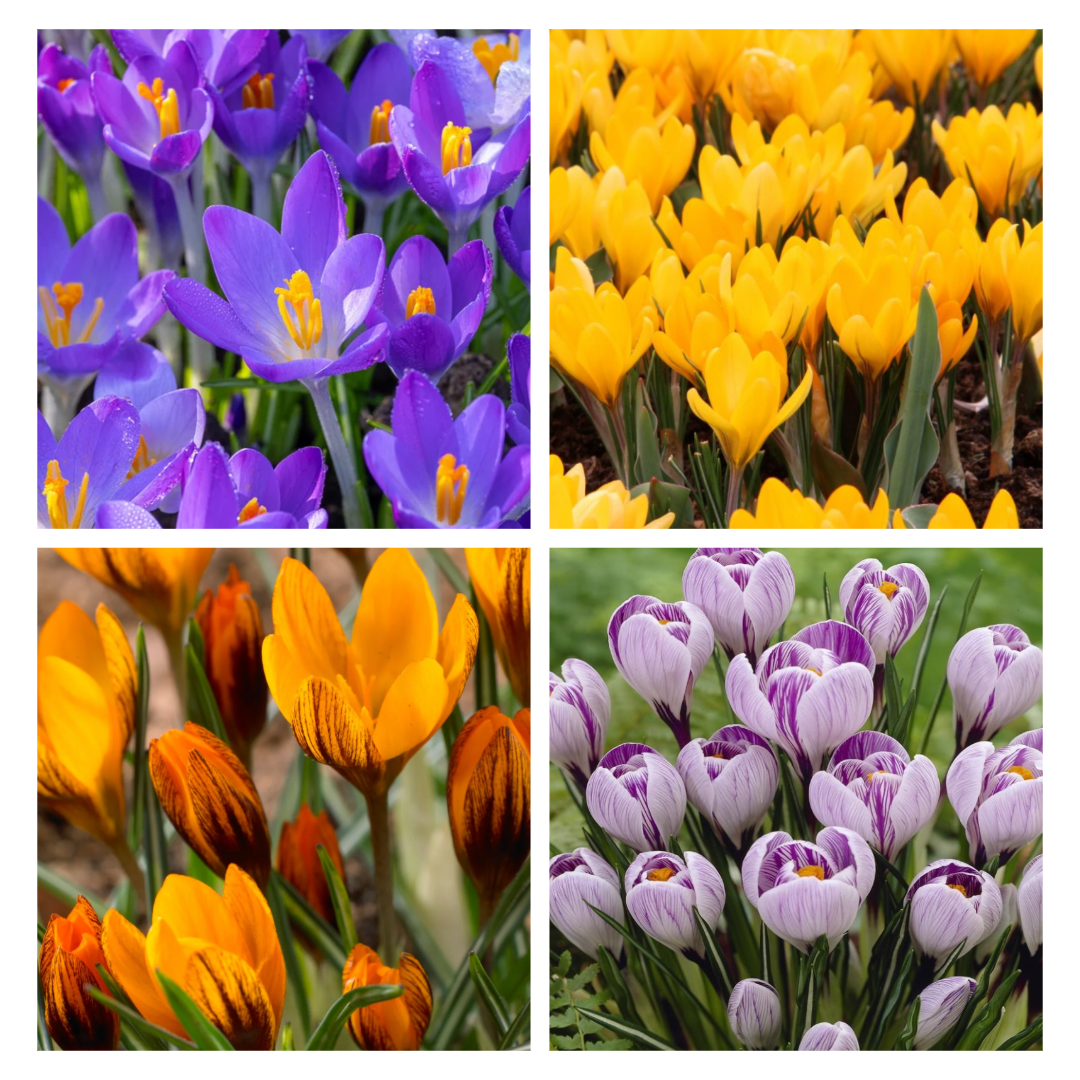
Crocus: a blaze of Spring colour
3 - Add miniature narcissus
Narcissus ‘Tête-à-Tête’ is a brilliant choice for smaller gardens. Its compact form and cheerful yellow flowers provide a strong spring presence without dominating the planting. As the flowers fade the foliage can be left as the spring and summer perennials start to grow up.
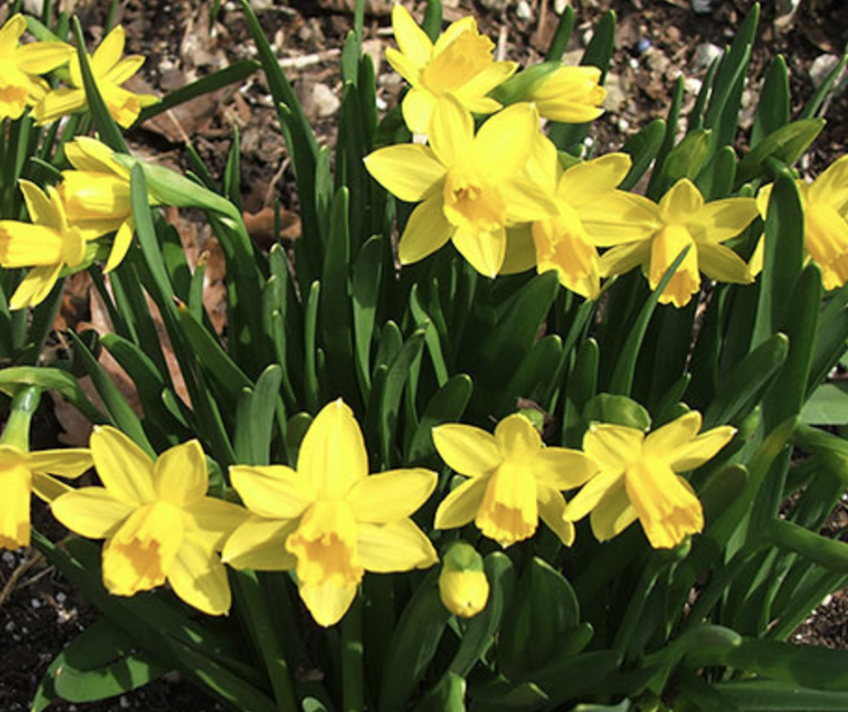
Narcissus ‘Tete a Tete’
4 - Consider introducing Iris reticulata
Iris reticulata offers something completely different — jewel-like flowers in shades of blue, purple and yellow. Their delicate scale makes them particularly effective close to paths and seating areas. Planted in clumps, these delightful flowers will make you stop to enjoy them.
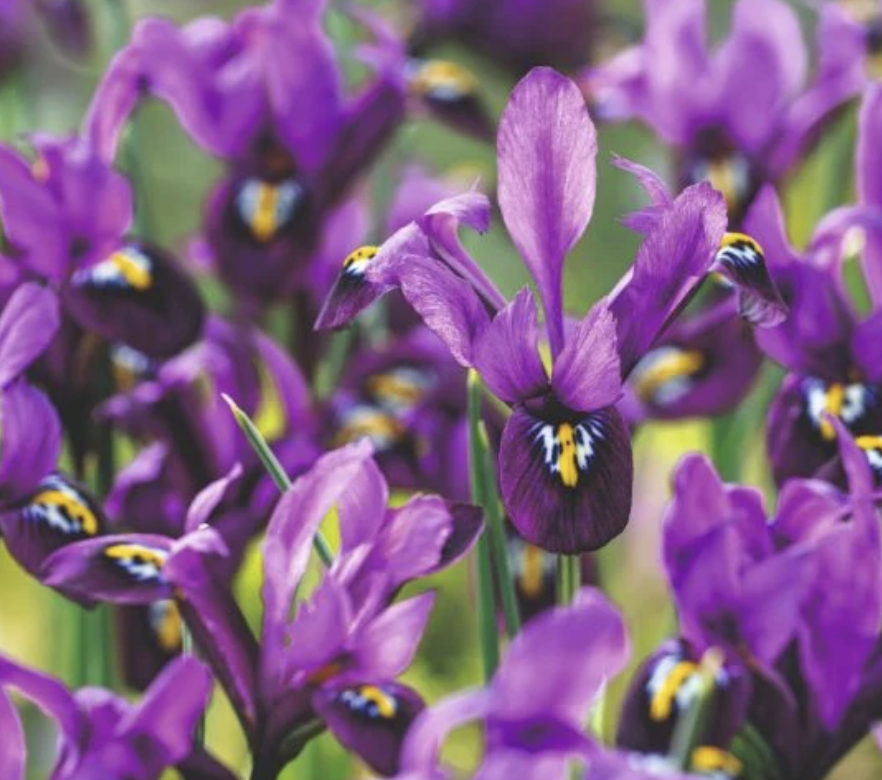
Iris reticulata ‘George’
5 - Consider succession and repeat your palette
Rather than having everything flower at once, combine bulbs that flower from late winter through early spring. This creates a garden that gradually unfolds rather than producing one brief burst of colour.
In a small garden, resist the temptation to collect dozens of different varieties. Repeating a handful of carefully chosen bulbs creates rhythm, continuity and the illusion of greater space.
Conclusion: the art of bulbs in a small space
The secret isn't abundance. It's repetition, rhythm and timing — allowing a small garden to tell a much bigger spring story. A thoughtful selection of bulbs can make Spring feel like a carefully choreographed experience in the garden. Think about a succession of flowering moments across 3 months which adds colour, fragrance and life into your garden in those dark early months.