
A perennial border can look compelling long after its summer flowers have faded. As a garden designer, I think about the winter garden from the outset: which stems will catch the frost, where grasses will move in the wind, and how shrubs can bring colour or scent when the border is quiet.
Leaving the right plants standing gives the garden structure through winter and creates a gradual transition into spring. It also offers food and shelter for wildlife. The aim is not to leave everything untouched, but to choose plants whose shapes and textures continue to earn their place
How to design your winter garden
1 - Think about structure with shrubs
A strong winter border combines different forms: upright stems, rounded seedheads, fine grasses and shrubs with interesting branches. Repeating these shapes through the planting helps the garden feel deliberate, even when much of it is dormant.
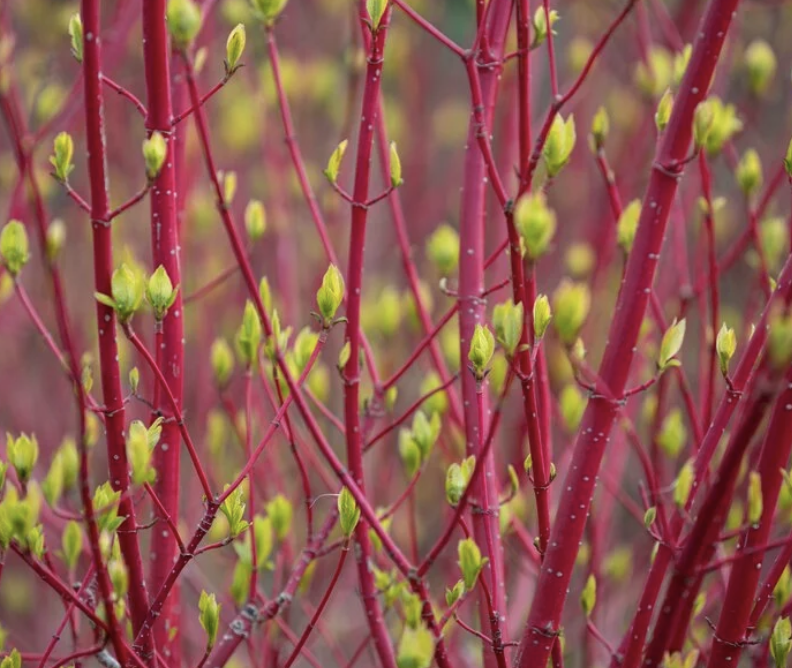
Cornus alba ‘Sibirica’ - stunning red stems across the winter months
Dogwoods such as Cornus alba ‘Sibirica’ bring vivid red stems that stand out against a grey sky. I like to use them in groups, where their colour has enough presence to anchor a border. Their bare branches contrast well with the softer forms of ornamental grasses and perennial seedheads.
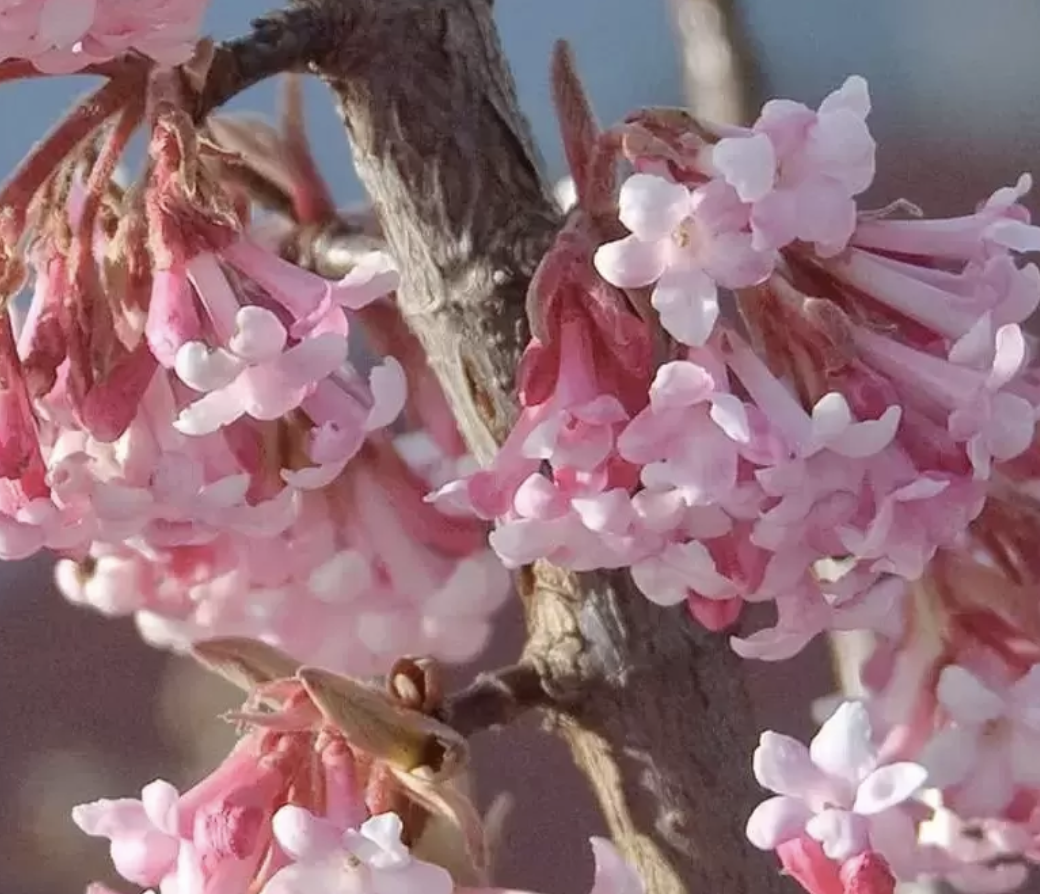
Viburnum x bodnantense ‘Dawn’ - heavily scented pink flowers
Winter-flowering shrubs add another layer of interest. Viburnum × bodnantense ‘Dawn’ carries clusters of fragrant pink flowers on bare stems from late autumn into early spring. Witch hazel (Hamamelis × intermedia) brings spidery flowers in shades of yellow, orange or copper from January. Placing perennials nearby lets their standing stems frame the shrubs rather than compete with them.
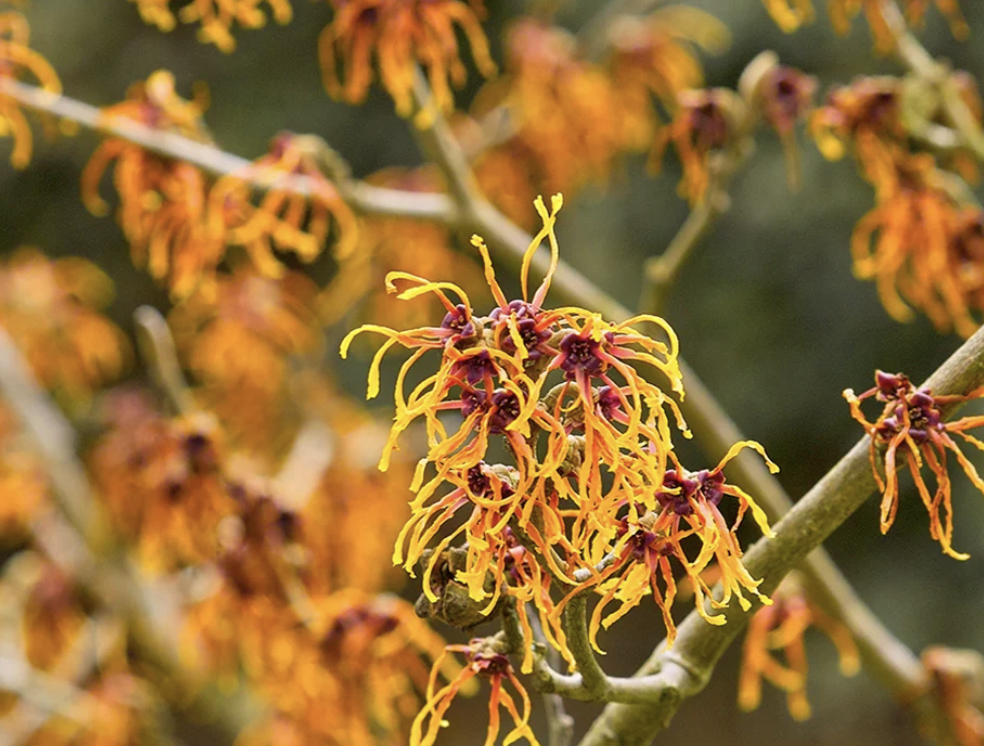
Hamamelis x intermedia ‘Jelena’ - the Witch Hazel with its spidery flowers
2 - Add perennials with a second structural season
Many perennials have distinctive seedheads that hold their shape well into winter. Rudbeckia forms dark, domed cones on strong stems, adding a clear focal point among grasses. Echinacea seedheads are similarly sculptural; their spiky cones remain upright and catch frost beautifully. Sanguisorba has a more delicate character. Its small, bobbing seedheads hover above fine stems, bringing lightness and movement to the border.

Echinacea seedheads providing structure and food
Other useful choices include Echinops, Eryngiums, Teasels and Alliums. Echinops produces round, architectural heads, while teasels add height and strong silhouettes. The papery globes of alliums persist after flowering and look especially effective when repeated through a border. Verbena bonariensis leaves fine branching stems topped with small seedheads, which filter the view rather than block it.
Sedums such as Hylotelephium ‘Herbstfreude’ hold their flowerheads well into winter. Their colour gradually deepens from pink to russet and brown, making them a useful link between summer planting and the bare stems of shrubs.
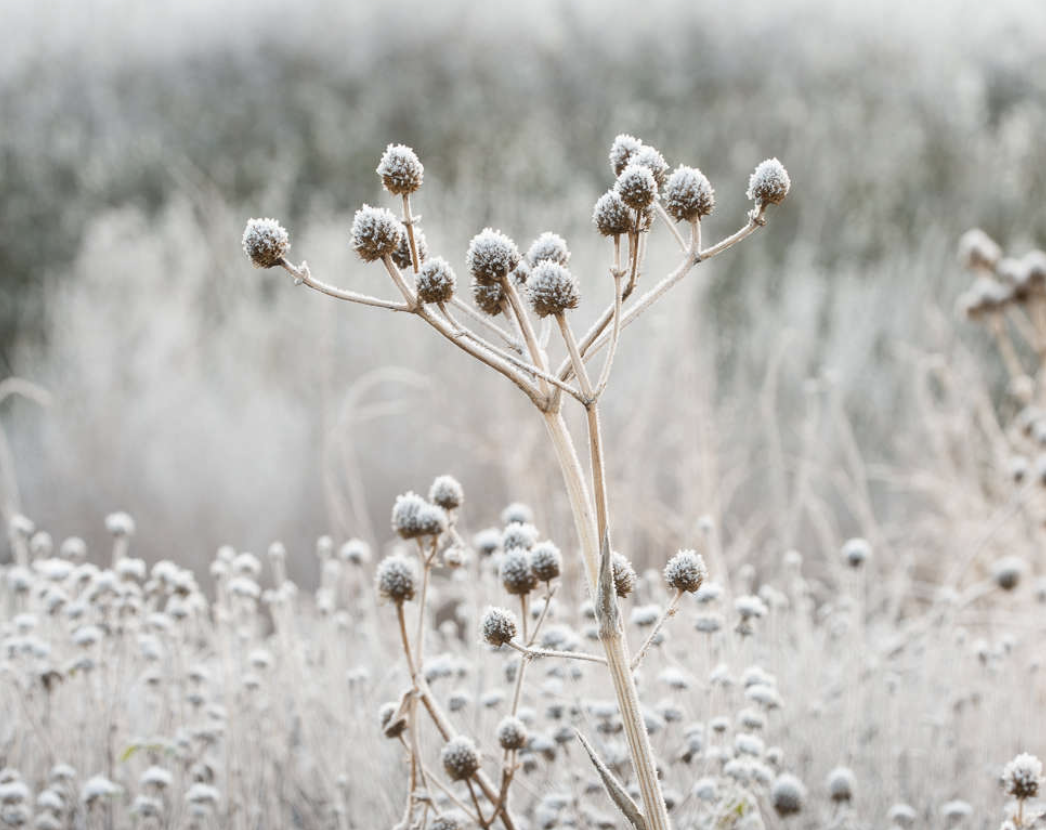
Eryngium yuccifolium
3 - Grasses for movement and light, airy silhouettes
Ornamental grasses bring movement and softness to the winter garden. Miscanthus cultivars, including ‘Morning Light’ and ‘Malepartus’, hold their plumes above elegant foliage. Calamagrostis × acutiflora ‘Karl Foerster’ keeps its upright form particularly well, while Molinia cultivars such as ‘Transparent’ create airy silhouettes that glow in low light.
For finer texture, Stipa gigantea carries tall, open flowerheads that catch the sun, and Deschampsia cespitosa forms soft, cloud-like sprays. Panicum virgatum cultivars such as ‘Northwind’ offer strong upright structure, with foliage that can turn warm shades in autumn and winter. I often place grasses beside the bold stems of dogwoods or near winter-flowering shrubs, where the contrast in shape makes both more noticeable.

Miscanthus ‘Morning Light’
4- Long lasting summer perennials
In a sheltered, sunny border, some late-flowering plants can keep producing flowers well beyond autumn, particularly when the weather stays mild. I use them as a bonus layer of winter interest, while making sure the planting still looks good if frost brings flowering to an end.
Shrubby salvias such as Salvia microphylla, S. greggii and S. × jamensis are among the best candidates. Their small, bright flowers can continue into late autumn and sometimes appear through mild spells in winter. They suit a sunny, well-drained position, where their aromatic foliage and woody stems also give the border some structure. In colder or wetter sites, flowering may finish earlier, and severe frost can damage the plants, so I treat extended flowering as a welcome extra rather than a guarantee.
Other late performers can help extend the season. Erigeron karvinskianus may keep its daisy-like flowers going in sheltered, mild spots, while Erysimum cultivars can flower over a long period in a sunny, free-draining border. Gaura (now often listed as Oenothera lindheimeri) can also flower into autumn, though it is less dependable after hard frost. These plants work well woven between grasses and stronger seedheads, adding scattered colour without obscuring the winter framework.
5 - Winter flowering perennials & bulbs
Hellebores remain one of my favourite winter flowering perennials. Available in a vast array of colours and flower forms they are a must for every garden. Easy to grow and reliable performer. Read the ‘Best Hellebores for the Winter Garden’ article for specific plant varieties and details.
Everyone thinks of Spring bulbs. Bulbs add moments of colour and joy around the garden and, if designed with succession in mind, can deliver colour from January through to the end of April with a carefully choreographed selection of bulbs. Read some of the articles on ‘Designing with Bulbs’ for tips and advice on how to create a stunning display.
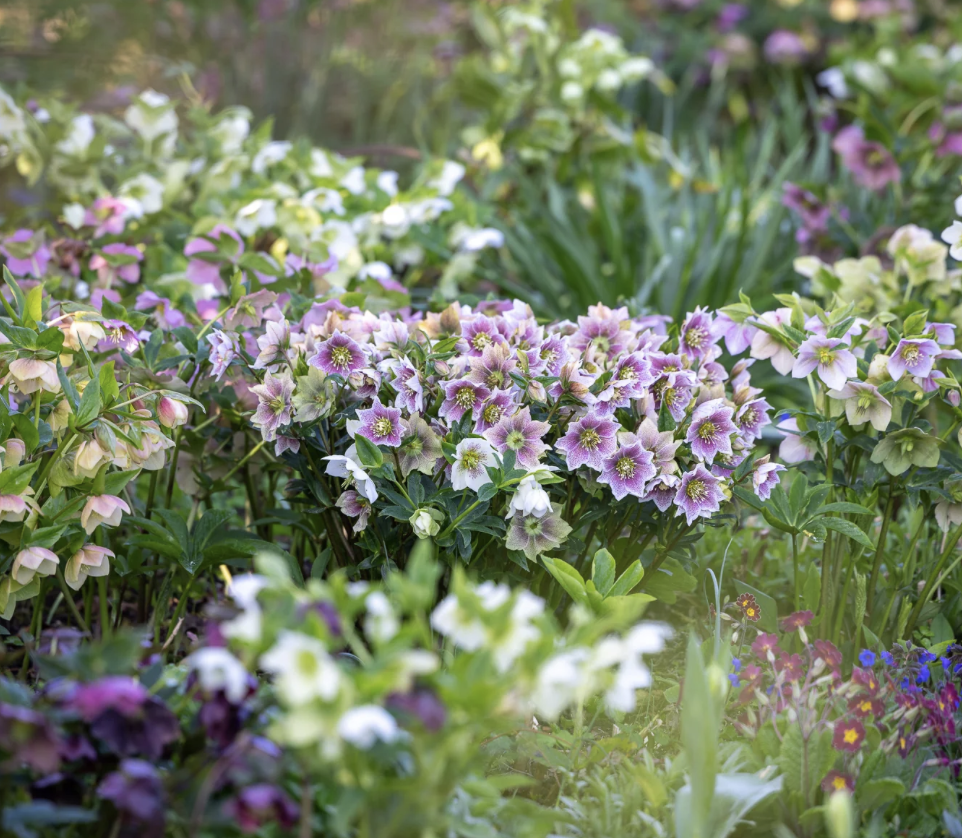
Hellebores brighten up every winter garden
6 - A View to Enjoy from the House
In winter, the garden is often experienced from the house. When designing a border, I consider the views from the rooms used most often. A group of dogwoods, grasses and well-placed seedheads can create a distinctive scene from a kitchen or sitting-room window.
Position the strongest forms where they catch low sunlight or stand against a hedge, wall or evergreen backdrop. Repeating plants across the border helps the composition feel connected, while leaving enough open space lets each shape read clearly.
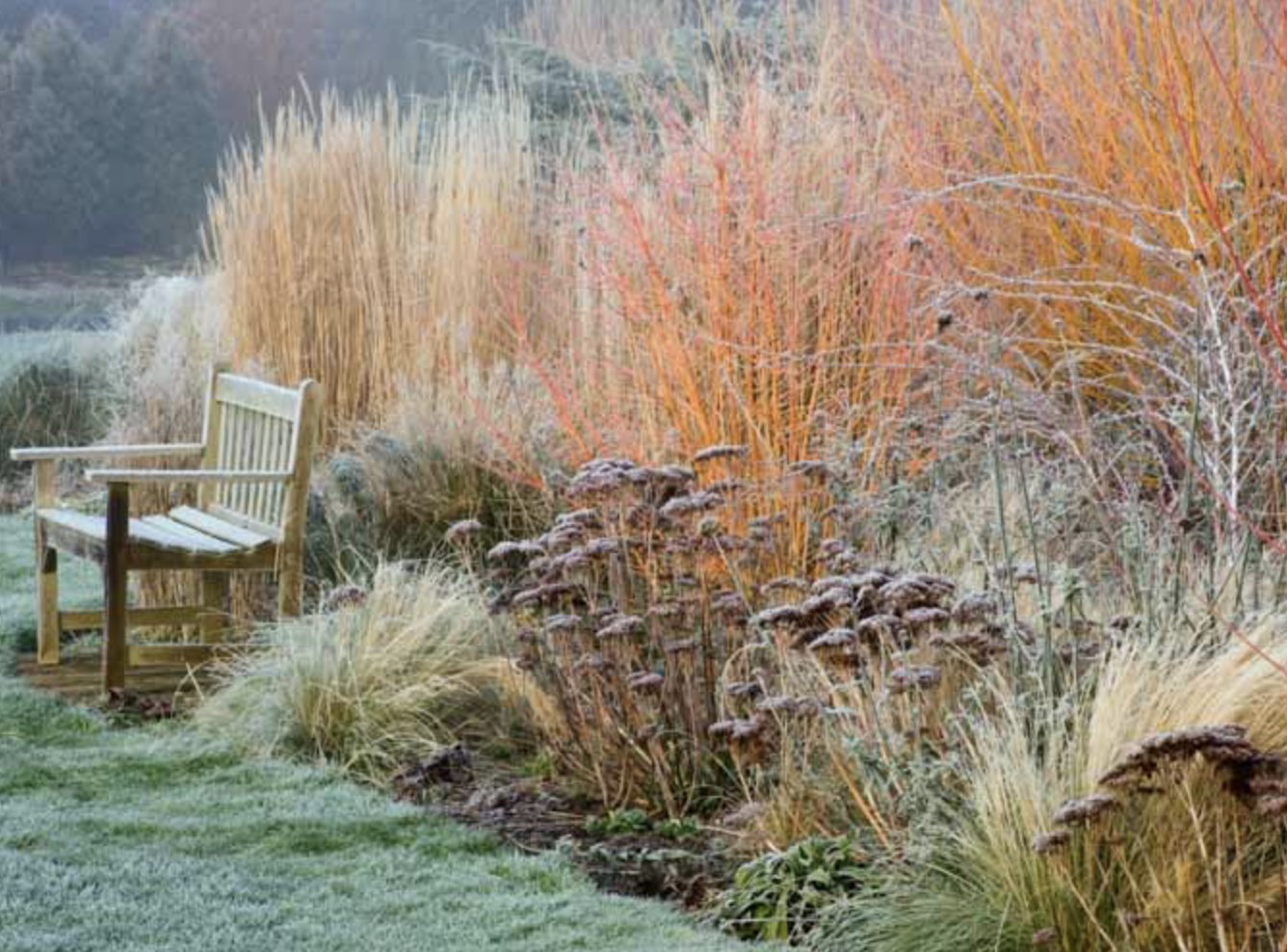
The winter garden can be a thing of beauty
7 - When to Cut Back
Standing stems provide shelter for insects, and seedheads can feed birds. I remove diseased or badly damaged material, but leave healthy growth through winter. Where leaves collect around crowns that are vulnerable to rot, I clear them away selectively.
In early spring, usually around mid February, before new growth becomes tangled, cut back the perennials and grasses. Chop the material into small pieces and leave it under shrubs as a simple mulch, or add it to the compost.
The border then begins its next season. Bulbs and fresh shoots emerge among the remaining structure, gradually replacing winter silhouettes with new colour and growth. A garden designed to carry its shape through winter makes that transition feel like part of the planting, not a fresh start.
Conclusion: plant for winter colour & structure
A winter garden is designed as much through what remains as what blooms. Grasses, seedheads and well-chosen shrubs bring shape, movement and colour to the quieter months, while late flowers can add an unexpected final note in a mild winter. Together, they make the border rewarding to look at from indoors and outdoors.
When I design for winter, I want each plant to have a purpose across more than one season. The summer flowers may be gone, but their stems and seedheads can hold the composition together until spring growth begins. By combining lasting structure with a few seasonal surprises, the garden feels connected to the rhythm of the year—and ready to come back to life.